
6 minute read · Fence painting
Peeling fence paint needs a failure-pattern check before recoating. Record where it lifts, how widely it spreads and what is left underneath. The cause may involve the old treatment, surface condition, moisture or the way a coating was applied. A new layer cannot make loose paint or damaged timber sound.
This guide helps decide between local preparation, a wider assessment and stopping for timber or coating concerns. Use the complete fence painting workflow after that decision for cleaning, tools and application. For a fence painting enquiry in Dundalk, show both the whole run and representative failures.
Identify the failure pattern and affected area
Map the peeling before cleaning or disturbing it. Does it occur at the bottom of boards, along exposed edges, behind dense planting, on new replacement sections or across the whole run? Note when the fence was last treated and whether the same area has failed before.
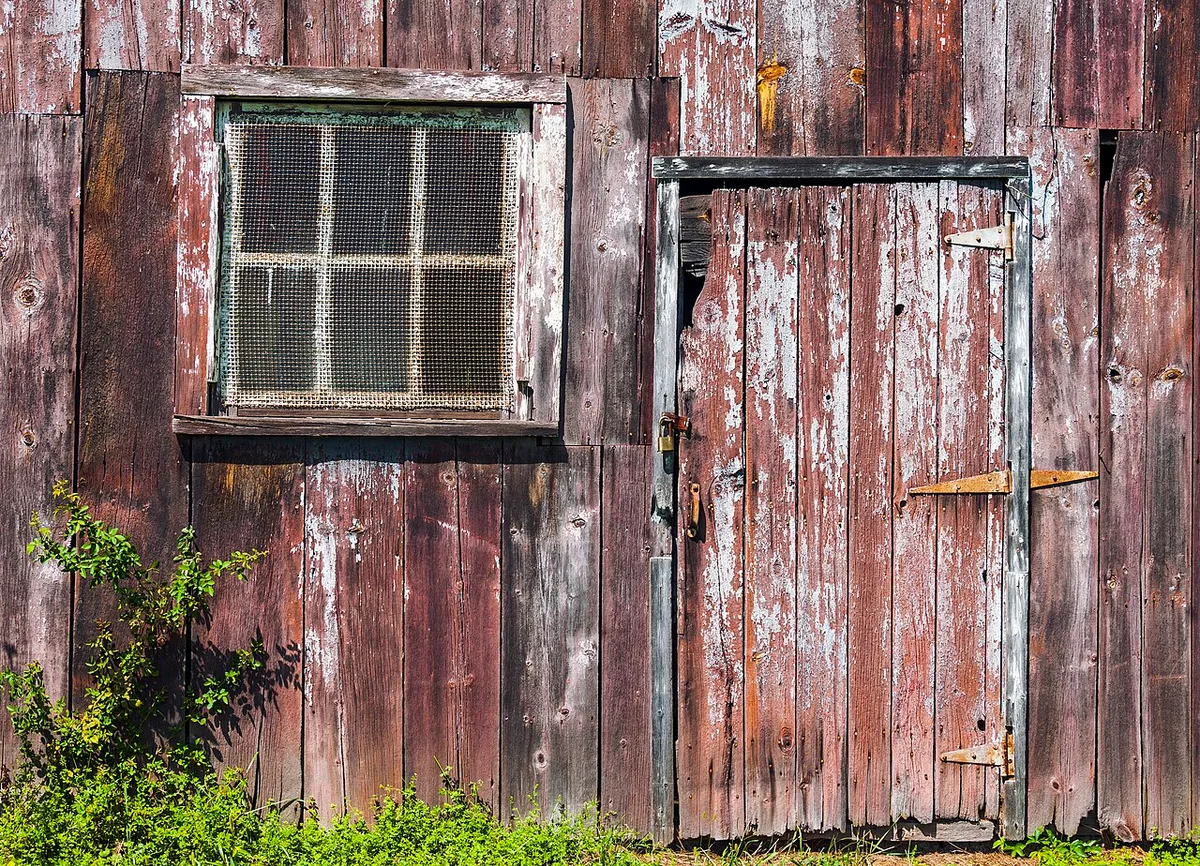
Look at what a naturally detached flake reveals without deliberately stripping a larger patch. Is it timber, another coloured coating or loose grey fibres? A photograph can document that distinction, but it cannot establish every adhesion interface or the exact old treatment.
| Pattern | Question to investigate | Do not assume |
|---|---|---|
| A few exposed edges | Is this local damage or the start of wider failure? | That all remaining coating is sound |
| Lower damp band | What wetting and drying conditions affect the base? | That a waterproof topcoat solves it |
| New boards within an old run | Were substrate and treatment requirements different? | That the same coat count suits every board |
| Sheets lifting over another finish | Is there an intercoat compatibility problem? | That a primer can secure the loose layer |
| Grey fibres attached to flakes | Is weathered surface timber failing? | That the wood beneath is ready without assessment |
Record the extent approximately: isolated boards, one panel, a whole elevation or scattered sections. That helps distinguish a local defect from a run-wide system problem before choosing a preparation allowance.

Check moisture, adhesion and previous treatment
A fence does not dry evenly. Dense growth, soil contact, overlapping boards and sheltered lower rails can keep some parts wetter than others. Also consider whether painting followed cleaning or rain before the selected system allowed. These are questions to investigate, not proof that moisture caused every failure.
Find the old product record if possible. A wax-rich treatment, oil, translucent stain or retained opaque paint may need different compatibility checks. Do not assume the new coating can grip merely because its colour covers the old one.
The Cuprinol Garden Shades information recommends a small colour and adhesion test on previous coatings. The Ronseal Fence Life Plus guidance also requires old coating to be in suitable condition. These are named-system checks, not evidence that every old fence treatment can be overpainted.
Check rough-sawn versus planed timber against the actual product. A fence with mixed boards may not have been given the required preparation or application branch. Likewise, one product's damp-timber permission does not establish that another coating was applied to an acceptable surface.
Avoid blaming the last painter from a photograph. Poor adhesion can involve multiple retained layers or substrate conditions that were not visible initially. A useful assessment identifies what can be established and records what remains uncertain.
Distinguish sound timber from damage needing assessment
Peeling paint and timber deterioration are different problems, although they can appear together. Look for unstable posts, loose boards, softened areas and significant splits from a safe position. Painting cannot repair an unsound fence or restore a failing fixing.
If structural stability or decay is suspected, arrange an appropriate repair assessment before decorating. Record which boards or components must be repaired or replaced and who is responsible. New replacement timber then has its own treatment and readiness questions.
Unknown older coatings or unusual residues also need caution. Do not sand, heat or chemically strip them using a general fence article. If hazardous material is suspected, stop disturbance and arrange the relevant assessment. This guide contains no hazardous coating removal procedure.
A hypothetical boundary has one peeling panel and a leaning post. Even if the panel's coating could be prepared locally, the unstable post is a separate stopping point. A decorative quotation should not imply that coating the timber resolves the fence's stability.
Decide between local repair, wider preparation and stopping work
Local preparation may be reasonable where the cause is understood, the remaining coating is sound and the chosen system permits the retained surface. The sound boundary must be assessed rather than drawn around the visible flakes. Fresh paint at one patch should not bridge onto loose edges.
Wider preparation may be needed when apparently sound layers lift nearby or the same failure is spread across the run. The method and extent depend on the coating and timber, including safety considerations. Do not choose wholesale stripping before establishing that it is necessary and appropriate.
Stop where timber is unsound, the old treatment is unresolved, hazardous disturbance is possible or recurring wetting has not been addressed. A test coat is not a workaround for those conditions. Once the starting surface is suitable, follow the preparation, application and aftercare sequence.
- Record the failure pattern and recurrence.
- Identify the old system as far as possible.
- Assess timber soundness and repair dependencies.
- Establish the suitable retained boundary.
- Choose local or wider preparation only after that assessment.
- Test the compatible repaint system where appropriate.
- Keep a record for future condition-led maintenance.
Compare the patch with an apparently sound area
A useful assessment compares representative failed and retained sections rather than looking only at the worst flake. If failure is confined to one mechanically damaged board and adjacent coating is suitable, a local branch may be reasonable. If layers lift across several panels or a common old treatment remains unresolved, the scope can be wider. That distinction must come from appropriate assessment, not from pulling at every edge yourself. Record how far the confirmed problem extends and which sections are still uncertain. It helps explain why the preparation allowance may change after closer inspection without treating every possible hidden defect as established fact.
Peeling fence questions
Can I put more paint over the flakes? No dependable system begins by relying on loose material. Establish the sound base and cause first. A high-adhesion primer or extra finish coat cannot secure a layer already detached from the timber or another coating.
Does the whole fence need stripping? Not automatically. Assess whether failure is local or widespread and whether retained areas are sound and compatible. Full removal can introduce damage and safety questions. The appropriate extent follows the condition assessment rather than a universal instruction.
Will a different brand solve it? Brand choice alone does not resolve moisture, damaged fibres, incompatible old treatment or loose layers. Compare the exact product permissions and preparation system for the identified surface. If the cause remains uncertain, changing the tin can simply repeat the failure in a new colour.
Fence painting: discuss your surfaces and scope. Contact the team with your area and photographs.